Many women wait too long before seeking help. They wait until the pain becomes hard to manage. They wait until bleeding becomes heavy. They wait until something feels seriously wrong.
Seeking appropriate medical advice early can support timely intervention. Even small changes can make a meaningful difference. Your body can often provide early signs that something needs attention, well before it becomes urgent.
This guide explains when to see a private gynaecologist, key symptoms to watch for, and what to expect at your first consultation. It also answers common questions about when to seek specialist care and how Bloom Health can help.
Why Do Women Delay Seeing a Gynaecologist?
Many women delay booking an appointment. Common reasons include:
- They do not want to make a fuss about a symptom.
- They assume the symptom is normal.
- They may feel uncomfortable discussing their symptoms or concerns.
- Persistent vaginal discharge, itching, soreness or noticeable irritation.
- NHS referrals can involve waiting several weeks for a routine appointment.
- They may be uncertain whether their symptoms require medical assessment.
These reasons are understandable. But they do not make your symptoms any less real.
Gynaecological health can affect daily life, fertility, women's health, reproductive health, sexual health and long-term wellbeing.
A gynaecologist can assess a wide range of gynaecological conditions affecting the female reproductive system. Early assessment can help identify the cause of symptoms and determine whether further investigation or treatment is appropriate.
Signs You Need to See a Gynaecologist
Some symptoms may be subtle, while others may be more noticeable. Recognising these signs can help you determine when medical assessment may be appropriate.
1.Changes in Your Period
Menstrual patterns can vary between individuals, and some variation is normal. However, certain changes may require medical assessment, particularly when they are persistent or unusual for you.
- Heavy menstrual bleeding
- Passing large blood clots
- Periods lasting significantly longer than usual
- Irregular periods after previously regular cycles
- A missed period that is unusual for you, particularly if it persists or recurs
- Bleeding between periods
- Bleeding after sexual intercourse
If you are sexually active and miss a period, you should consider taking a pregnancy test. A single change may not necessarily indicate an underlying health concern. However, you should seek medical advice if the changes persist or recur. Changes in your menstrual cycle can provide valuable information about your overall health and may require further assessment.
2.Pelvic or Abdominal Pain
Mild discomfort during menstruation is common. However, severe, persistent or unexplained pelvic pain requires medical assessment. Symptoms that may require assessment include:
- Pain during sexual intercourse
- Persistent pelvic pain unrelated to your menstrual cycle
- Sudden or severe pain in the lower abdomen
- Pain that affects your work, sleep or daily activities
Persistent pelvic or abdominal pain can be associated with conditions such as endometriosis, ovarian cysts or uterine fibroids. Early assessment can help identify the underlying cause and support appropriate treatment.
3.Unusual Discharge or Irritation
Discharge naturally changes through your cycle. Some variation is normal. But watch for:
- A strong or unpleasant odour
- A noticeable change in colour or texture
- Persistent itching, irritation or soreness
- Discomfort that does not resolve on its own
These symptoms can have several possible causes, including infections. An assessment can help identify the cause and determine appropriate treatment. If symptoms are affecting your sexual health, discussing them with a healthcare professional can provide reassurance and appropriate care.
4.Perimenopause and Menopause Symptoms
Hot flushes, disrupted sleep, mood changes and irregular periods are recognised signs of perimenopause.
Menopausal symptoms can affect sleep, mood, work and daily life. If symptoms are persistent or affecting your wellbeing, a gynaecological assessment can help you understand your options.
Depending on your circumstances, this may include lifestyle adjustments, hormone replacement therapy or further investigation.
5.Fertility Concerns
Some women see a gynaecologist because they have been trying to conceive without success.
Others have questions about their fertility before starting a family.
A gynaecologist can help identify possible causes and assess your reproductive health. They can also explain the options available and whether further investigations may be appropriate.
6.Routine Health Checks
Not every visit needs to be symptom-driven.
Regular check-ups, cervical screening and a smear test can form an important part of preventive care and women's health.
These checks can help identify changes early, even when you feel well.
A gynaecology consultation can also help if it has been a while since your last review.
Conditions a Gynaecologist Commonly Assesses
Gynaecologists see a wide range of concerns. Common gynaecological conditions include:
- Heavy or irregular periods - These can affect daily life and are often manageable once assessed
- Abnormal vaginal bleeding - This includes bleeding between periods or after menopause
- Pelvic pain - Whether occasional or ongoing, pain is a valid reason to seek assessment
- Endometriosis - A condition where tissue similar to the womb lining grows elsewhere, often causing pain
- Ovarian cysts - Fluid-filled sacs on the ovaries, which are common and often manageable
- Uterine fibroids - Non-cancerous growths in or around the womb that can cause heavy periods or discomfort
- Menopause and hormone-related symptoms - Appropriate medical care can help evaluate and manage these symptoms
If your symptoms fall into any of these categories, an assessment can provide clarity and a clear plan forward.
Is This Serious Enough to See Someone?
Many women wonder whether their symptoms require a gynaecological assessment.
Do not wait for symptoms to become severe. Consider any unusual or persistent changes, particularly when they affect your daily life.
You do not need certainty that something is wrong to justify an appointment.
If a symptom is new, persistent or concerning to you, consider seeking medical advice. If you find yourself repeatedly explaining away the same symptom, that may be a sign it is time for an assessment.
When Should You Seek Urgent Gynaecological Care?
Most gynaecological symptoms do not require emergency care. However, some symptoms need prompt medical assessment.
Seek medical advice promptly if you experience:
- Sudden or severe abdominal or pelvic pain
- Heavy bleeding that soaks through a sanitary pad within an hour
- Fainting, dizziness or severe weakness accompanied by pain or bleeding
- Bleeding after menopause
Do not wait for a routine appointment if you experience these symptoms. Seek prompt medical assessment instead.
When Should You Seek Urgent Gynaecological Care?
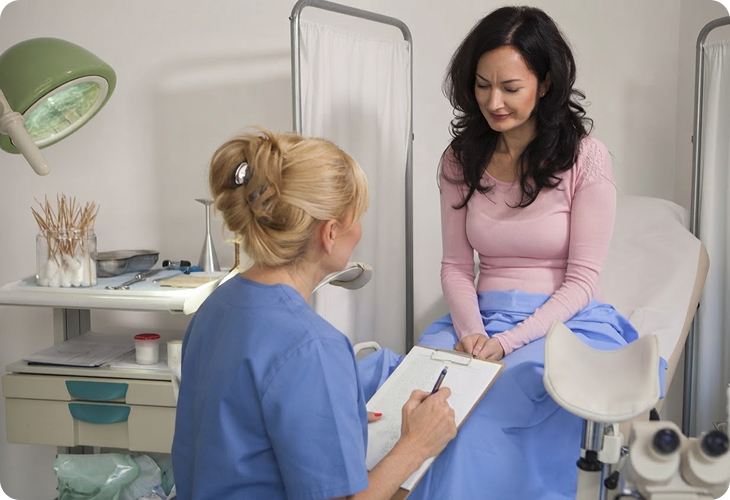
Understanding what to expect can make the decision to book easier.
A typical initial consultation includes:
- A discussion of your symptoms and relevant medical history
- A physical examination, where appropriate and only with your consent
- Further tests or investigations, if required
- A clear explanation of the next steps, including treatment options or reassurance where no concerning findings are present
Depending on your symptoms, your consultant may recommend investigations such as blood tests or an ultrasound scan. You remain in control throughout. Your consultant will explain each step before it takes place. You are welcome to ask questions at any point.
Preparing for Your Appointment
A little preparation can help you make the most of your consultation.
Before your appointment, consider:
- Recording your symptoms and when they started
- Noting the pattern and timing of your recent periods, if relevant
- Listing any medications you currently take
- Preparing a list of questions or specific concerns
- Bringing relevant previous test results, if available
You do not need to prepare a detailed report.
A clear summary of your symptoms and concerns can help your consultant understand your situation and guide the consultation.
Questions Worth Asking
Preparing questions in advance can help make your consultation more productive.
Consider asking:
- What could be causing my symptoms?
- What treatment options are available?
- Do I need any further tests?
- What are the potential risks of delaying treatment?
- Do I need a follow-up appointment?
- What will my treatment plan involve?
Preparing these questions can help ensure you address your key concerns during the consultation.
Why Choose a Private Gynaecologist
Many women choose private healthcare and private gynaecology care rather than waiting for an NHS referral.
Reasons include:
- Faster access: Appointments may be available within days.
- No GP referral required: You may be able to arrange a consultation directly.
- Unhurried consultations: You have an opportunity to discuss your concerns in detail.
- Continuity of care: You can see the same consultant throughout your treatment.
At Bloom Health, you can consult a gynaecology specialist without a GP referral. Our hospital is open from 8 am to 10 pm, seven days a week. You can book an appointment at a time that suits you.
What Consultant-Led Care Means for You
Not all gynaecology services follow the same model of care.
At Bloom Health, our specialist consultants provide your gynaecology care, giving you access to specialist expertise from the outset.
Consultant-led care typically means a thorough initial assessment.
It also means continuity, since you can build a relationship with the same specialist throughout your treatment.
Some conditions need monitoring over the long term, such as fibroids or perimenopause symptoms.
For these concerns, continuity of care can make a meaningful difference.
After Your Appointment
Following your consultation, your gynaecologist will explain their findings clearly.
- If you need further tests, your gynaecologist will explain what they involve and why.
- Your consultant will discuss your test results with you.
- If you need treatment, your consultant will explain your options, costs and treatment plan.
- Some women may feel reassured when their consultant finds no significant concerns.
- Others may receive a clear diagnosis and treatment plan.
Either way, your consultant will help you understand the next steps.
Choosing the Right Care for You
Many women wonder whether they need a gynaecologist or whether their GP can manage their symptoms.
The right option depends on your symptoms and circumstances.
NHS referrals can involve waiting several weeks for a routine appointment. Private gynaecology care can provide earlier access to specialist assessment.
At Bloom Health, you can use private care alongside your NHS or GP care where appropriate.
This gives you flexibility to access specialist assessment when you need it.
Why It Is Worth Acting Early
Even mild symptoms deserve attention.
Do not ignore unusual bleeding, persistent discomfort or changes to your periods.
Early assessment can provide reassurance or identify a problem before it becomes harder to manage.
Women in Milton Keynes and nearby areas, including Bedford and Newport Pagnell, can access specialist gynaecology care locally.
Bloom Health provides consultant-led care, flexible appointments and diagnostic services where appropriate.
Speaking to a specialist can help you understand your symptoms and decide what to do next.
Trust What Your Body Is Telling You
Assessment of gynaecological concerns can support early diagnosis and appropriate care.
If you notice changes in your menstrual cycle, pelvic health, sexual health or general wellbeing, consider seeking medical advice.
At Bloom Health, our CQC-registered hospital provides consultant-led gynaecology care.
We offer direct access to specialist care, on-site diagnostic services and flexible appointment times.
If you have concerns about your health, book a gynaecologist appointment in Milton Keynes with us.

Quick note :
This article provides general health information and does not constitute medical advice. For personalised guidance, diagnosis or treatment, please consult a qualified healthcare professional.